Love Requires Freedom
On a great-grandfather's correction, and why love that is not free is not love at all.
When I was a boy, I’d say things like, “I love this toy.” “I love that snack.” Just part of growing up in a world that throws the word “love” around like glitter.
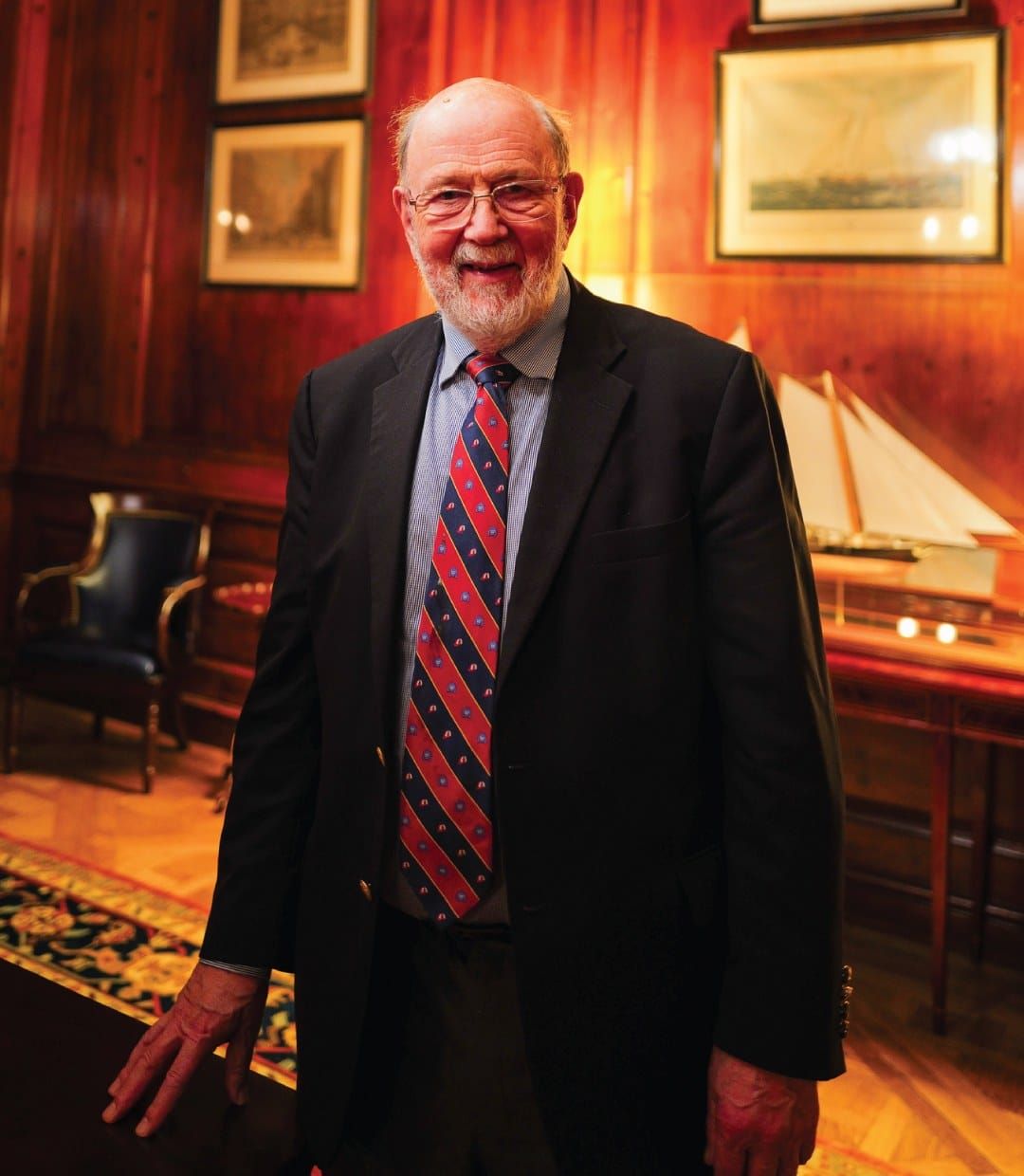
But say that around my great-grandfather, J. Ray Weir, and you’d get a quiet correction. One of many.
He’d say:
“Now Will, I understand what you’re saying. But love is a strong word.
Love is reserved for God and people.
You don’t love things. You like them.
You love people.”
At the time, I didn’t fully grasp it. But those words followed me. And as I got older, they started to make sense.
Because the problem with the world isn’t just that it loves things—it’s that it uses people.
And it was never meant to be that way.
We live in a world obsessed with acquisition and performance.
We scroll past strangers, chase platform over presence, and call it connection.
We build a life and forget to share it.
What’s the point of a big house if no one’s invited in?
What’s the point of influence if it never leads to service?
Someone once said, “You never see a U-Haul behind a hearse.”
But what you do see is cars filled with people—those you laughed with, cried with, broke bread with. That’s what lasts.
Somewhere along the way, we got it backwards.
We love things. We use people.
But we were made to love people and use things.
The truth is: love without freedom isn’t love at all. It’s control. It’s fear. It’s coercion.
And that’s not how God loves.
From the beginning, He gave us a choice. In Genesis, He places Adam and Eve in the garden with everything they need—and one tree they’re told not to touch. That tree wasn’t a trap. It was an invitation. A marker of trust. A test of freedom.
Because if there’s no choice, there’s no love. There’s just programming.
God is not after compliance. He’s after communion.
The freedom to choose wrong is the same freedom that makes choosing love so powerful.
Jesus Himself never forced anyone to follow Him. He invited. He asked. He waited. He showed that true love costs something—but it can’t be forced. It must be chosen.
Romans 5:8 says, “But God demonstrates His own love for us in this: While we were still sinners, Christ died for us.” Not after we cleaned up. Not once we complied. But while we were still broken.
That’s the model. That’s the measure.
Real love doesn’t overpower. It empowers.
That applies to everything—romantic relationships, parenting, friendships, discipleship.
In dating, love that pressures someone to change isn’t love. It’s fear of losing control. In parenting, if obedience is rooted only in fear, you haven’t raised a child—you’ve trained a performer. In friendship, when someone can only be themselves if they agree with you, that’s not connection. That’s conditioning.
Love that is safe—real, free, Christ-modeled love—says:
“You are free to walk away. But I am here. I’m not going anywhere.”
It’s not passive. It’s strong. It’s costly. It means we don’t manipulate or punish people into transformation. We become the kind of presence that makes transformation possible.
The Prodigal Son was allowed to leave. That was love, too. The Father didn’t lock the gate. He didn’t chase him down with shame. He waited. He watched. He ran to him—not with punishment, but with a robe, a ring, and open arms.
That’s the shape of the gospel. And it’s the shape love is meant to take in us.
Love isn’t just a feeling. It’s a decision. A posture. A sacrifice. God could’ve made us love Him. Instead, He loved us first.
The kind of love that builds longer tables. That listens before it lectures.
That doesn’t seek to fix or impress—but to see.
And love, real love, requires that we see people fully—as they are, not as we wish they were.
It demands that we listen, even when we disagree.
It invites us to prioritize relationship over being right.
Because love never insists on its own way.
Love makes room.
Whether romantic or platonic, love at its best says, “I see you. I hear you. I choose you.”
And it says that again and again—not just when it's easy, but when it costs.
That’s the kind of love that doesn’t just make someone feel safe—it helps them become.
When you love someone freely, you become a witness to their transformation.
Not because you pushed them, but because you stayed.
So how do we live that kind of love? In a world that rewards performance over presence?
We start by seeing people again. Not as threats or tools. But as wonders.
As image-bearers of God.
We build longer tables. We tell our friends we love them.
We say, “There’s nothing you can do about it.” Because maybe—just maybe—they need to hear that today.
We love with patience. With consistency. With humility.
We let people grow at the speed of grace—not pressure.
Because this kind of love costs something. But it also frees something.
And real love—love that’s chosen—is the only kind that can change the world.
Hand Kraffted, always.
Signed,
-
 Now viewing
No. 1
Miss Tootsie
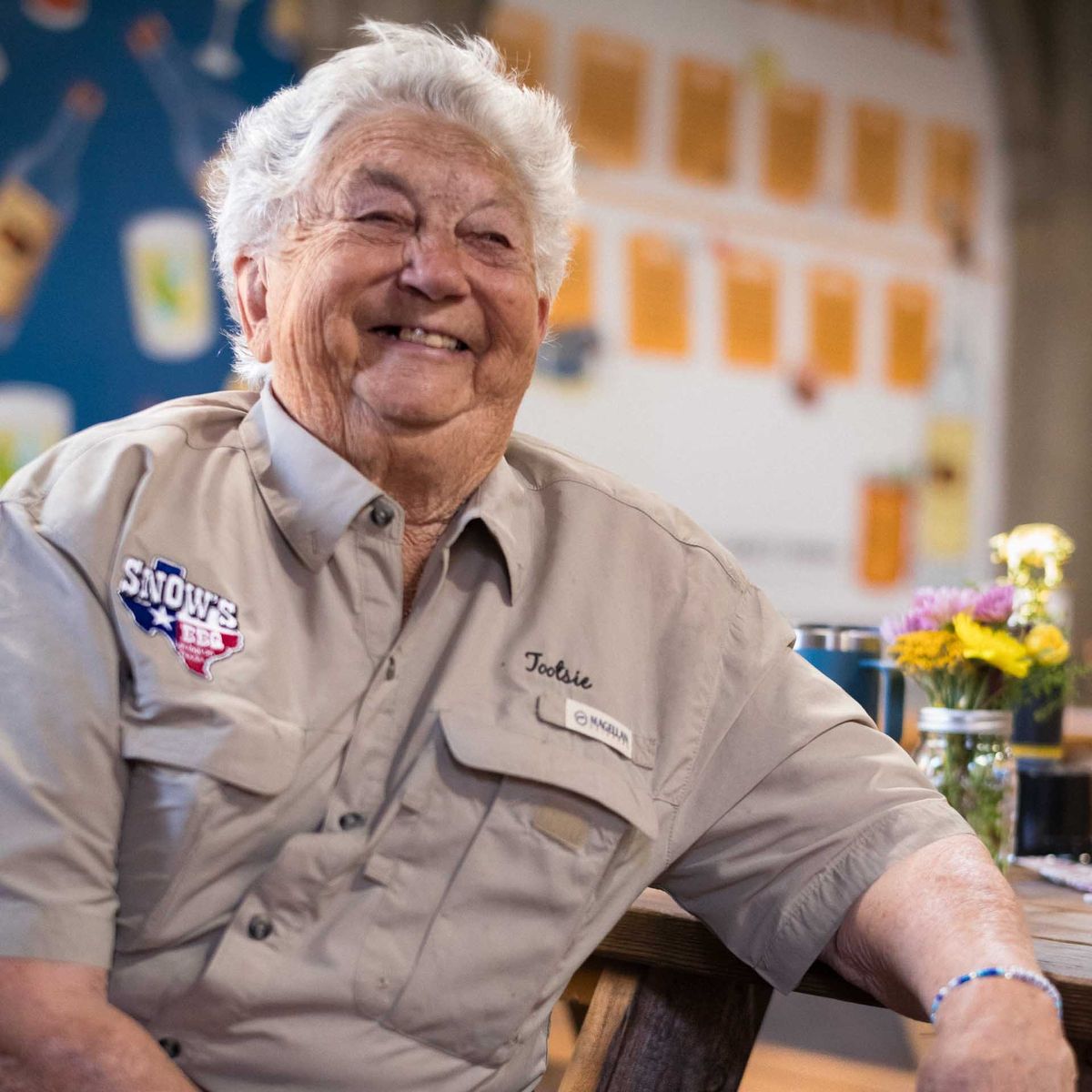
A day at Fair Park with Tootsie Tomanetz, the 89-year-old pitmaster of Snow's BBQ, and the fire that never went out.
Now viewing
No. 1
Miss Tootsie
A day at Fair Park with Tootsie Tomanetz, the 89-year-old pitmaster of Snow's BBQ, and the fire that never went out.
- Now viewing No. 2 Love Requires Freedom On a great-grandfather's correction, and why love that is not free is not love at all.
- Now viewing No. 3 An Early Blessing Is a Curse A reflection on patience, preparation, and the gifts God gives when we’re ready to receive them.